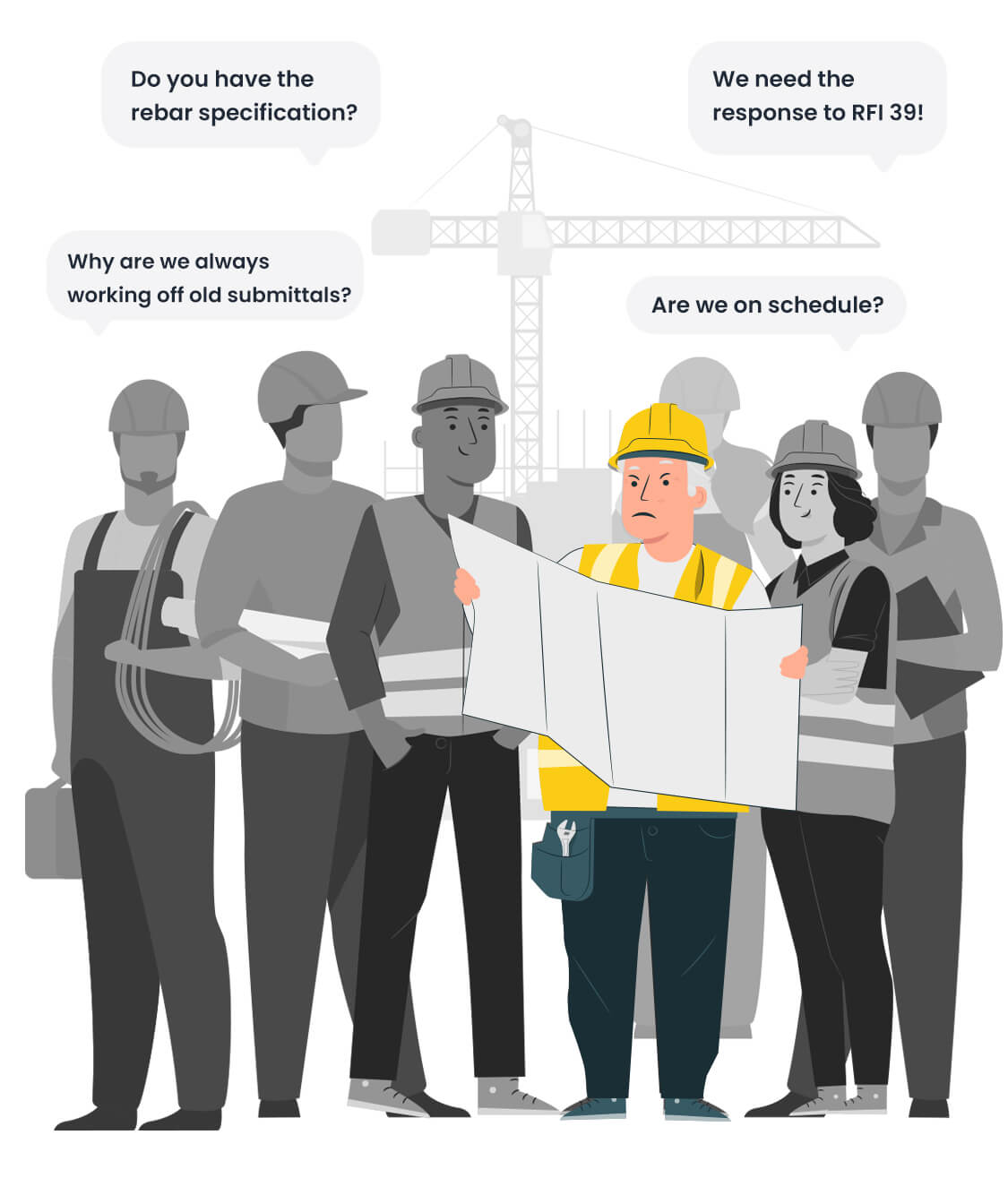
Trades lose momentum when they have to stop, ask, wait, and ask again. On many projects, the information exists, but the people doing the work cannot reach it quickly enough to stay productive.
That is where construction QR codes can make a measurable difference. They give trades a direct route to the information they need without turning the PM or superintendent into the constant middleman.
Why Field Access Still Breaks Down
Most teams have invested in digital systems, but field access is often still clumsy.
- The latest file lives in a platform the trade does not use regularly.
- A worker needs one drawing, but gets pointed to an entire folder tree.
- Important documents are technically available, but not at the point of work.
- The fastest answer is still "call the project manager."
That setup slows decisions, increases interruption, and makes the field more dependent than it needs to be.
What QR Access Changes for the Trades
When crews can scan and retrieve the right information themselves, several things improve immediately:
- less waiting for drawings, submittals, and specs
- faster confirmation before installation starts
- fewer repeat questions to the office
- better confidence that the crew is working from current information
The goal is not to remove supervision. It is to remove avoidable delay.
Five Areas Where It Helps Most
1. Drawings and specifications
Trades can open the current documents for the area they are working in instead of chasing printed sets or asking someone to resend files.
2. Submittals and cut sheets
Installers can confirm product requirements at the moment of use, which reduces guesswork and helps prevent rework.
3. Safety information
Crews can scan for task-specific guidance, equipment procedures, or hazard information without leaving the work zone.
4. Equipment records
Startup instructions, maintenance history, and O&M material become easier to reach when they are tied to the asset in the field.
5. Punch, closeout, and turnover tasks
Trade partners can reference the required documents and records without waiting on another manual handoff.
What Makes the System Useful
Trades do not need more information. They need better access to relevant information.
That means the QR workflow has to be clear:
- use labeled codes by document type or task
- keep linked content current
- make the mobile experience simple
- post codes where the work is happening, not only in the trailer
If those basics are in place, crews become more self-sufficient and project leaders get time back for higher-value decisions.
The Bigger Payoff
Empowering the trades is not just a convenience play. It is a workflow improvement. When the field gets faster answers, the project gets fewer interruptions, fewer avoidable mistakes, and better execution overall.
That is the real value of construction QR codes. They help the people doing the work spend more time building and less time waiting for permission to access information.