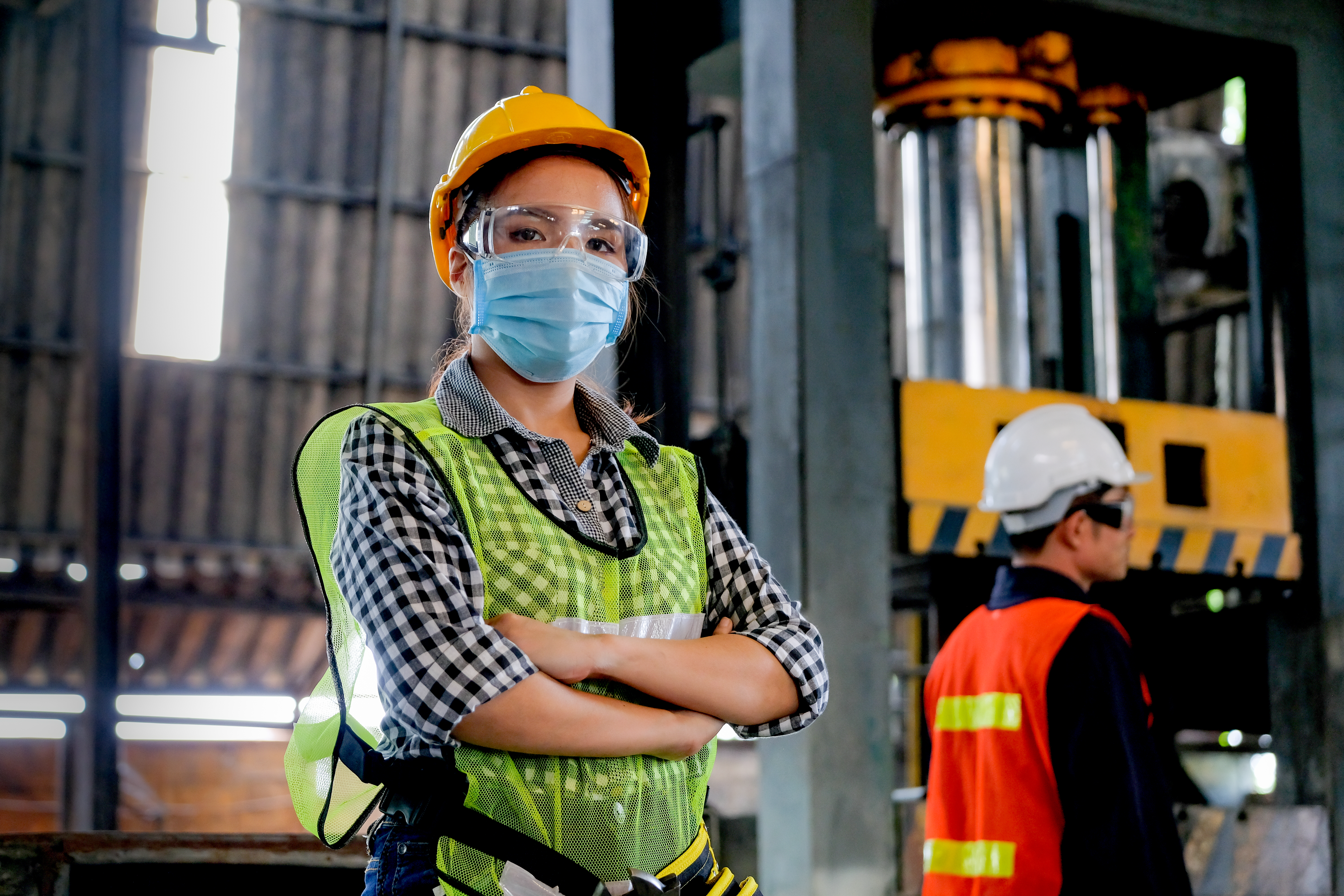
The early COVID period forced jobsites to rethink daily operations quickly. Teams had to keep work moving while adding distancing rules, health screening, sanitation routines, and new coordination habits that few had planned for in advance.
Some of those measures were temporary. Others exposed operational habits that were worth improving anyway.
What Changed on Active Jobsites
Pandemic-era site operations often shifted in a few consistent ways:
- smaller or staggered crews
- more structured work zones
- contactless check-ins and screening processes
- heavier reliance on virtual meetings for coordination
- more attention to tool sharing, hygiene, and common-area traffic
These adjustments were driven by health requirements, but many of them also revealed inefficiencies that had existed before COVID.
Lessons That Still Hold Up
Clear work zoning reduces confusion
Separating crews by area or sequence was initially a distancing measure, but it also improved focus and reduced trade congestion on some projects.
Shorter, more intentional meetings work better
When site meetings moved outdoors, went virtual, or became smaller, many teams found that updates became sharper and less repetitive.
Access control matters
Health screening highlighted the broader value of disciplined site entry, visitor procedures, and worker accountability.
Planning labor density is a real management skill
COVID made it obvious that too many people in one space creates operational risk, not just health risk.
What Should Be Carried Forward
Construction does not need to preserve every pandemic protocol. It should preserve the operational lessons:
- plan crew flow intentionally
- communicate site changes faster
- support field coordination with digital tools where helpful
- make safety guidance easier to access and update
- avoid unnecessary crowding at critical work fronts
These are good jobsite habits regardless of the public health context.
The Practical Takeaway
COVID-era site safety rules were born out of crisis, but they left behind a useful reminder: safer operations and better-organized operations often reinforce each other.
That is the lesson worth keeping. The jobsite works better when teams think carefully about how people move, gather, communicate, and access information.