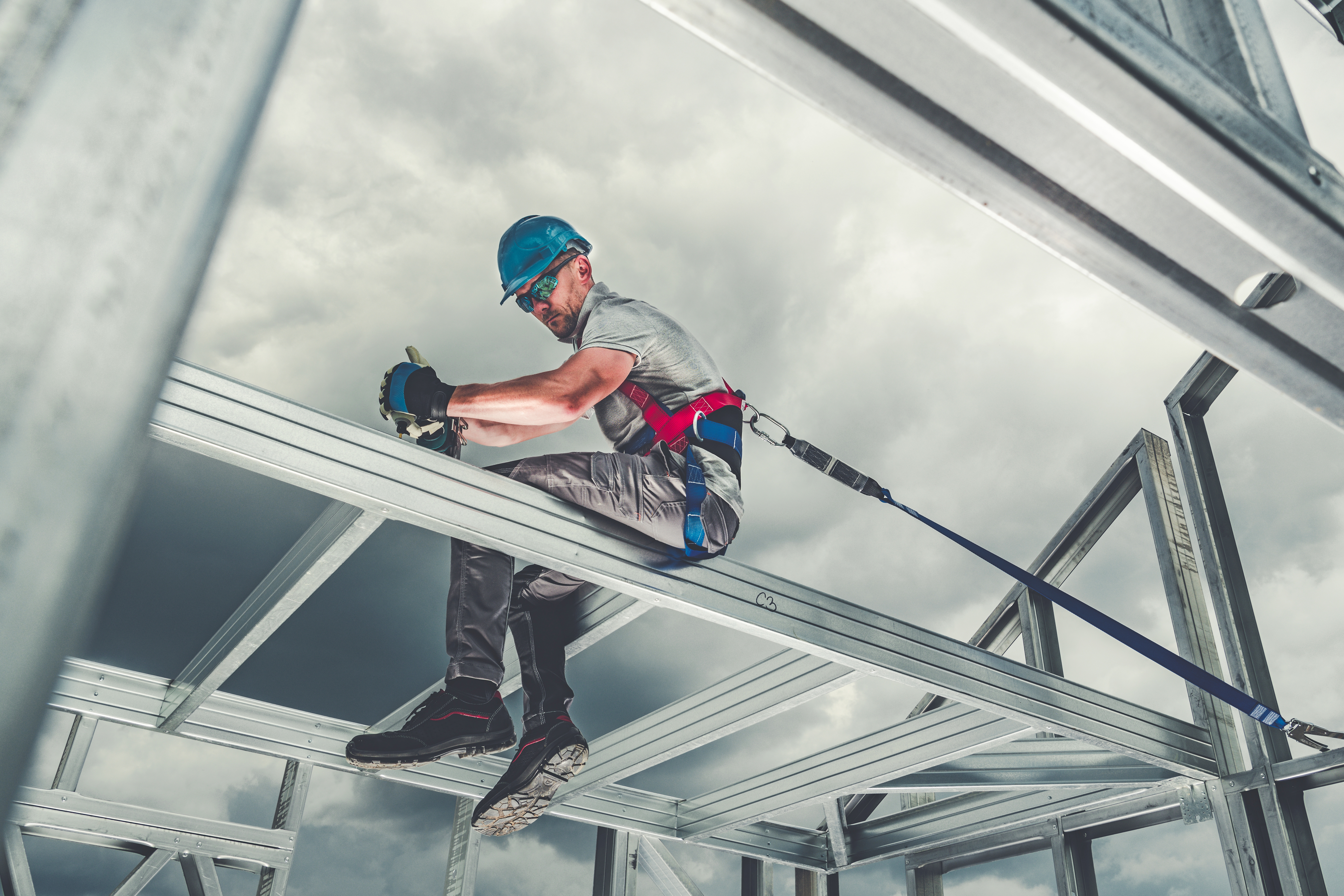
Construction sites are bustling hubs of activity, where creativity, skill, and hard work converge to create remarkable structures. However, amidst the whirlwind of tasks and heavy machinery, safety must remain the paramount concern. Ensuring the well-being of every worker and visitor on a construction site is not just a moral obligation; it’s a legal and practical necessity. In this article, we’ll delve into the top 10 ways to promote safety in construction, offering actionable insights and real-world examples to help construction managers, workers, and stakeholders create a secure and productive environment.
1. Embrace a Culture of Safety
Safety is not a standalone task; it’s a mindset that needs to be ingrained in every individual involved in the construction process. Building a culture of safety starts with leadership setting a strong example. Regular safety training, open communication about potential hazards, and the empowerment of workers to voice safety concerns are all critical steps. A prime example is the “Zero Harm” initiative by Laing O’Rourke, a global construction company, which aims to eliminate incidents and injuries through a culture of safety awareness.
2. Prioritize Training and Education
Equipping every member of the construction team with the knowledge and skills to handle equipment, tools, and hazardous situations is non-negotiable. Regular training sessions, workshops, and certifications ensure that everyone is up-to-date with the latest safety protocols. OSHA, for instance, offers a wide range of training courses and videos, from health and safety awareness to specialized equipment operation.
3. Conduct Comprehensive Risk Assessments
Identifying potential hazards before they become accidents is a cornerstone of construction safety. Regularly assess the site for risks related to machinery operation, working at heights, electrical installations, and more. Develop strategies to mitigate these risks and have contingency plans in place. The Crossrail project in London, one of the largest construction projects in Europe, conducted extensive risk assessments to ensure the safety of its workforce during the tunneling and excavation phases.
4. Implement Strict Personal Protective Equipment (PPE) Usage
Hard hats, high-visibility clothing, steel-toed boots, gloves, and safety goggles may seem like simple items, but they can be lifesavers on a construction site. Mandate the use of appropriate PPE at all times and regularly inspect its condition. The “Safety Stand Down” campaign by the U.S. Army Corps of Engineers emphasizes the importance of PPE and other safety measures to prevent accidents.
5. Efficiently Manage Site Traffic
Construction sites are often a maze of vehicles and pedestrians, making traffic management a critical aspect of safety. Clearly marked walkways, restricted zones, and designated parking areas can prevent collisions. The construction of Disneyland Shanghai showcased exemplary traffic management by segregating pedestrian and vehicular pathways, reducing the risk of accidents.
6. Enforce Equipment Inspection and Maintenance
Malfunctioning machinery can lead to catastrophic accidents. Regular inspection, maintenance, and servicing of all equipment ensure that they are in optimal working condition. Create a logbook to record maintenance activities and any repairs conducted. The “Check and Protect” program by Komatsu, a construction equipment manufacturer, encourages operators to regularly inspect their equipment for safety issues.
7. Ensure Adequate First Aid and Emergency Response
Accidents can still occur despite the best precautions. Having well-stocked first aid kits, trained personnel on-site, and a clear emergency response plan can save lives. The “Site-Specific Safety Plan” used by Turner Construction includes detailed emergency procedures, contact information, and evacuation routes tailored to each site’s unique layout.
8. Communicate Clearly
Miscommunication can lead to misunderstandings and, in a construction context, potentially dangerous situations. Implement clear signage, labels, and standardized communication protocols. This is especially crucial for multilingual and diverse workforces. Crossrail’s communication strategy included multilingual safety signs and instructions to cater to its diverse workforce.
9. Regularly Review and Improve Safety Measures
Safety should never be stagnant. Regularly review and evaluate the effectiveness of safety measures in place. Encourage feedback from workers and stakeholders to identify areas of improvement. The Occupational Safety and Health Administration (OSHA) in the United States updates its regulations to incorporate new safety standards and practices.
10. Celebrate Safety Successes
Recognize and celebrate milestones and achievements related to safety. This not only boosts morale but also reinforces the importance of safety within the construction culture. The “Safety Champion” award by Skanska, a leading construction company, highlights and rewards individuals who consistently demonstrate exceptional commitment to safety.
Promoting safety in construction is an ongoing journey that demands diligence, commitment, and adaptability. By embracing a culture of safety, prioritizing education, assessing risks, and implementing effective measures, construction sites can become thriving hubs where workers and stakeholders feel secure and empowered. Remember, safety isn’t just a requirement; it’s the foundation upon which remarkable structures are built.
Conclusion
Ensuring safety in construction requires a multifaceted approach that involves the entire team. By fostering a safety culture, providing training, managing risks, and implementing effective protocols, construction sites can minimize accidents and create a secure environment for everyone involved. Whether it’s through comprehensive risk assessments, strict PPE usage, or celebrating safety achievements, every step taken contributes to a safer and more productive construction industry.