
Project closeout documentation is a critical aspect of any construction project. Whether you have completed a small office renovation, or recently wrapped up a new 100,000 person arena, the submission of these documents places a nice, tidy bow on the transition from contractor to client.
In this blog post, we will expand upon what construction project closeout documents are, why they are important, what should be included in them, and how to ensure that they are accurate and complete.
What are Construction Project Closeout Documents?
Construction project closeout documents are a set of documents that are created at the end of a construction project and handed over from the construction team to the client. They typically include a variety of information about the project, such as drawings, specifications, warranties, maintenance manuals, and other important information.
The purpose of these documents is to ensure that the client has all the information they need to operate and maintain their new facility. They serve as a record of the completed project and are essential for ensuring that the client can easily find and reference important information about their facility in the future.
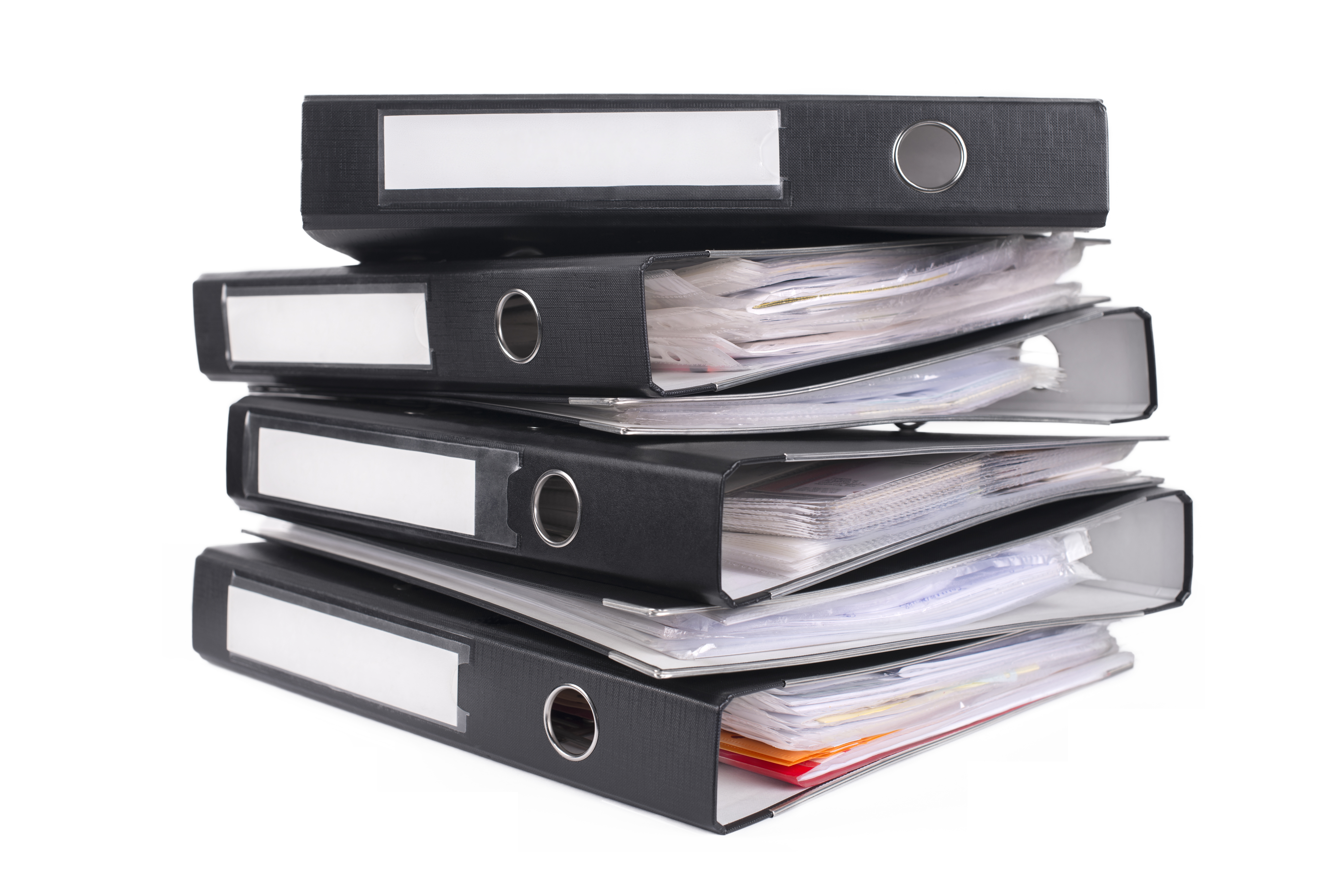
A typical project closeout package is organized and bound into a number of three-ring binders that and presented to the client during a turnover meeting. During this meeting, the construction team reviews the documents and answers any questions that the client may have. Upon acceptance, the client becomes responsible for the operation and maintenance of the facility, while the construction team’s involvement in the project comes to a close.
Why are Closeout Documents Important?
Project closeout documentation is important for several reasons.
First, they ensure that the client has all the information they need to operate and maintain their new facility. This includes information about equipment, systems, and materials used in the construction, as well as any warranties or guarantees that may be in place.
Second, closeout documents serve as a record of the completed project. This can be important in the event of disputes, or legal issues that may arise in the future. Having accurate and complete closeout documentation can help to resolve these issues more quickly and efficiently.
Finally, closeout documents can help to streamline future construction projects. By providing detailed information about the completed project, future construction teams can more easily understand what was done, as well as how it was accomplished. This effort can help to reduce errors and ensure that future projects are completed efficiently.
What should be included in Construction Project Closeout Documents?
1. Drawings: Detailed drawings of the completed project should be included in the closeout documents. This includes architectural drawings, engineering drawings, and any other relevant drawings.
2. Specifications: Detailed specifications of the materials and equipment used in the construction should be included. This includes information about the quality and quantity of materials used, as well as any warranties or guarantees that may be in place.
3. O&M Manuals: Operation and Maintenance Manuals for all equipment and systems installed during the project should be included.
4. Warranties and Guarantees: Any warranties or guarantees that are in place should be included in the closeout documents. This includes information about the length of the warranty or guarantee, the start date, exactly what is covered, and how to make a claim, if necessary.
5. Permits and Approvals: Copies of any permits and approvals that were obtained during the construction process should be included in the closeout documents. This includes building permits, zoning approvals, and any other similar types of approval documentation.
6. Testing and Inspection Reports: Reports from any testing or inspection that was performed during the construction process should be included. This includes reports from structural engineers, mechanical engineers, and any other relevant studies and documented discoveries. Air-side and hydronic balancing reports will also offer the client information that may be useful in the future.
7. Change Orders: Any change orders that were issued during the construction process should be included in the closeout documents. This includes information about why the change order was issued, what was changed, and how it impacted the project.
8. As-Built Drawings: As-built drawings that show any changes made during the construction process should be included in the closeout documents. This includes changes to the layout, changes to the mechanical, electrical & plumbing systems, as well as any other relevant deviations from the original design.
9. Punch List: A punch list is a list of items that need to be completed or corrected before the project can be considered complete. A copy of the punch list should be included in the closeout documents to ensure that the client is aware of any outstanding items that need to be addressed.
10. Contact Information: Contact information for the construction team and any subcontractors that were involved in the project should be included in the closeout documents. At a minimum, include company names, phone numbers, and email addresses.
11. Miscellaneous: Finally, any other project documents that may warrant inclusion in the closeout documents. These may include, but not be limited to: Payment documents, lien releases, material safety data sheets, record and progress photographs, etc.
How to Ensure Accurate and Complete Closeout Documentation.
1. Assign a Closeout Document Coordinator: Assigning a specific person or team to be responsible for the closeout documents can help to ensure that nothing is missed. This person should be responsible for collecting all relevant documents and ensuring that they are accurate and complete.
2. Document Everything: Throughout the construction process, it is important to document everything. This includes taking photos, keeping track of any changes made, and documenting any issues that arise.
3. Review Documents Regularly: Regularly reviewing the closeout documents throughout the construction process can help to ensure that nothing is missed. This includes reviewing drawings, specifications, and any other relevant documents.
4. Conduct Final Walkthroughs: Before the project is considered complete, it is important to conduct a final walkthrough to ensure that everything has been completed to the client’s satisfaction. Any outstanding items should be documented and included in the closeout documents.
5. Verify Information: Before the closeout documents are handed over to the client, it is important to verify that all information is accurate and complete. This includes double-checking drawings, specifications, warranties, and any other relevant information.
Conclusion
Construction project closeout documents are an essential aspect of any construction project – large, or small. They serve as a record of the completed project and provide the client with all the information they need to operate and maintain their new facility. To ensure that the closeout documents are accurate and complete, it is important to have a plan in place and to document everything throughout the construction process. By following these guidelines, construction teams can ensure a seamless handoff and transition from contractor to client.