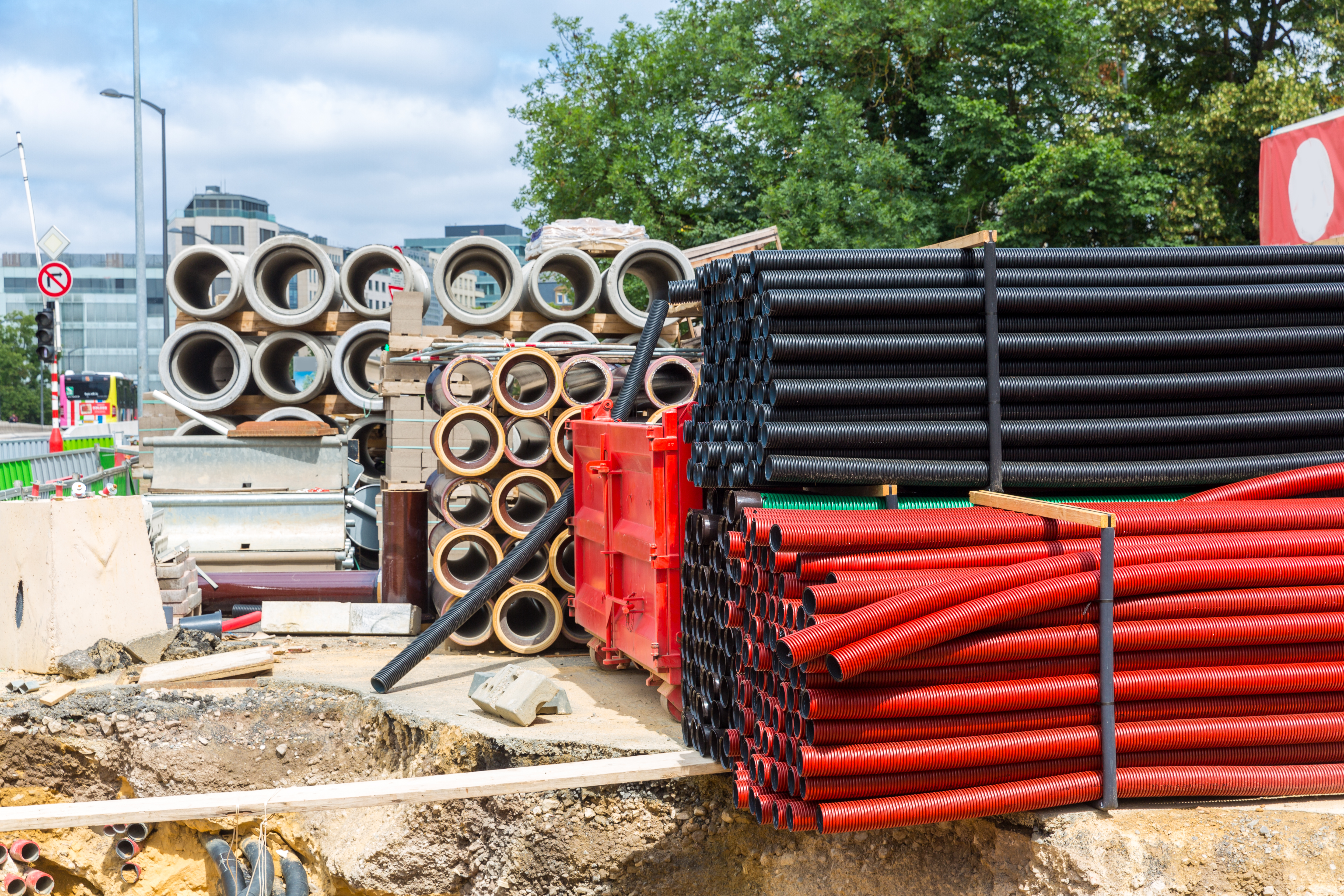
In an era of rapid technological advancement, industries are continually seeking innovative solutions to streamline their processes and improve efficiency. The construction industry, known for its complex and multi-layered supply chain, is no exception. One such technological marvel that is transforming the construction landscape is the use of QR codes to enhance supply chain transparency from the sourcing of raw materials all the way to the completion of finished projects. In this article, we delve into the world of QR codes in construction, exploring their applications, benefits, and how they are shaping the future of the industry.
Understanding QR Codes: A Brief Overview
QR codes, short for Quick Response codes, are two-dimensional matrix barcodes that can store a significant amount of information. Initially developed for inventory management in the automotive industry, QR codes have found their way into various sectors due to their ease of use and high data capacity. These codes can be scanned using smartphones or specialized scanning devices, enabling rapid access to the information stored within.
Revolutionizing Supply Chain Transparency
Construction projects are intricate endeavors that involve numerous stakeholders, materials, and processes. The journey from procuring raw materials to delivering a finished building involves several stages, each with its set of challenges. QR codes have emerged as a game-changer in enhancing transparency and traceability throughout this complex supply chain.
Seamless Tracking of Raw Materials
At the heart of any construction project lies raw materials. QR codes are being employed to tag and track these materials from the moment they are sourced. By scanning the QR codes affixed to material packaging, construction managers can instantly access vital information such as origin, quality certifications, and transportation details. This real-time visibility aids in quality control, reducing the risk of using substandard materials and ensuring compliance with industry standards.
Efficient Inventory Management
Managing inventory on construction sites is a daunting task. With QR codes, this process becomes significantly more streamlined. Each material or component can be assigned a unique QR code, allowing workers to quickly log materials as they arrive on-site or are consumed during construction. This digital recordkeeping minimizes errors, prevents overstocking or shortages, and optimizes resource utilization.
Enhanced Collaboration Among Stakeholders
In construction, effective communication and collaboration among stakeholders are paramount. QR codes facilitate this by serving as a link between the physical and digital realms. Architects, contractors, suppliers, and inspectors can all access pertinent project information by scanning QR codes placed at strategic points on-site. This fosters real-time information sharing, reducing delays and misunderstandings.
Elevating Project Management
QR codes also play a pivotal role in project management. Project managers can create QR codes for specific project phases, allowing instant access to schedules, task lists, and safety guidelines. This digital empowerment equips site teams with up-to-date information, empowering them to make informed decisions promptly.
Sustainability and Environmental Impact
The construction industry has been increasingly focusing on sustainability and reducing its environmental footprint. QR codes contribute to these efforts by promoting responsible sourcing of materials. Through QR codes, stakeholders can trace the journey of materials, ensuring that they come from sustainable sources and adhere to ethical manufacturing practices. This transparency adds a layer of accountability to the supply chain, encouraging environmentally conscious decisions.
QR Codes: Applications Beyond Construction Sites
QR codes are not limited to the construction site alone. They have broader applications that can transform the construction industry as a whole.
Remote Inspections and Maintenance
QR codes facilitate remote inspections and maintenance. By affixing QR codes to equipment and critical building components, maintenance teams can access maintenance history, troubleshooting guides, and warranty information. This capability reduces downtime and enhances the longevity of assets.
Post-Construction Information Access
Once a project is completed, QR codes continue to provide value. Building owners can have QR codes embedded in building elements, giving occupants easy access to operating manuals, emergency procedures, and contact information for maintenance requests. This seamless access to information enhances the overall building experience.
Future Prospects and Challenges
As QR codes become increasingly integrated into the construction industry, several opportunities and challenges emerge.
Prospects:
- Digital Twin Integration: QR codes can be linked to digital twin models, enabling real-time synchronization between the physical construction and its digital representation.
- Data Analytics: The wealth of data collected through QR codes can be harnessed for predictive analytics, improving project planning and risk assessment.
- Blockchain Integration: Integrating QR codes with blockchain technology can further enhance transparency and security across the supply chain.
Challenges:
- Standardization: Ensuring consistent QR code usage across the industry requires standardization of labeling practices and data formats.
- Cybersecurity: With increased digital connectivity, safeguarding QR code data from cyber threats becomes essential.
- Adoption Hurdles: Overcoming resistance to change and educating stakeholders about the benefits of QR codes can be challenging.
Conclusion
QR codes have emerged as a transformative tool in the construction industry, fostering transparency, efficiency, and sustainability. From raw materials to finished projects, these unassuming codes have the power to revolutionize how the industry operates. As technology continues to advance, QR codes are set to play an even more significant role in shaping the future of construction, promising a more connected, transparent, and efficient ecosystem.