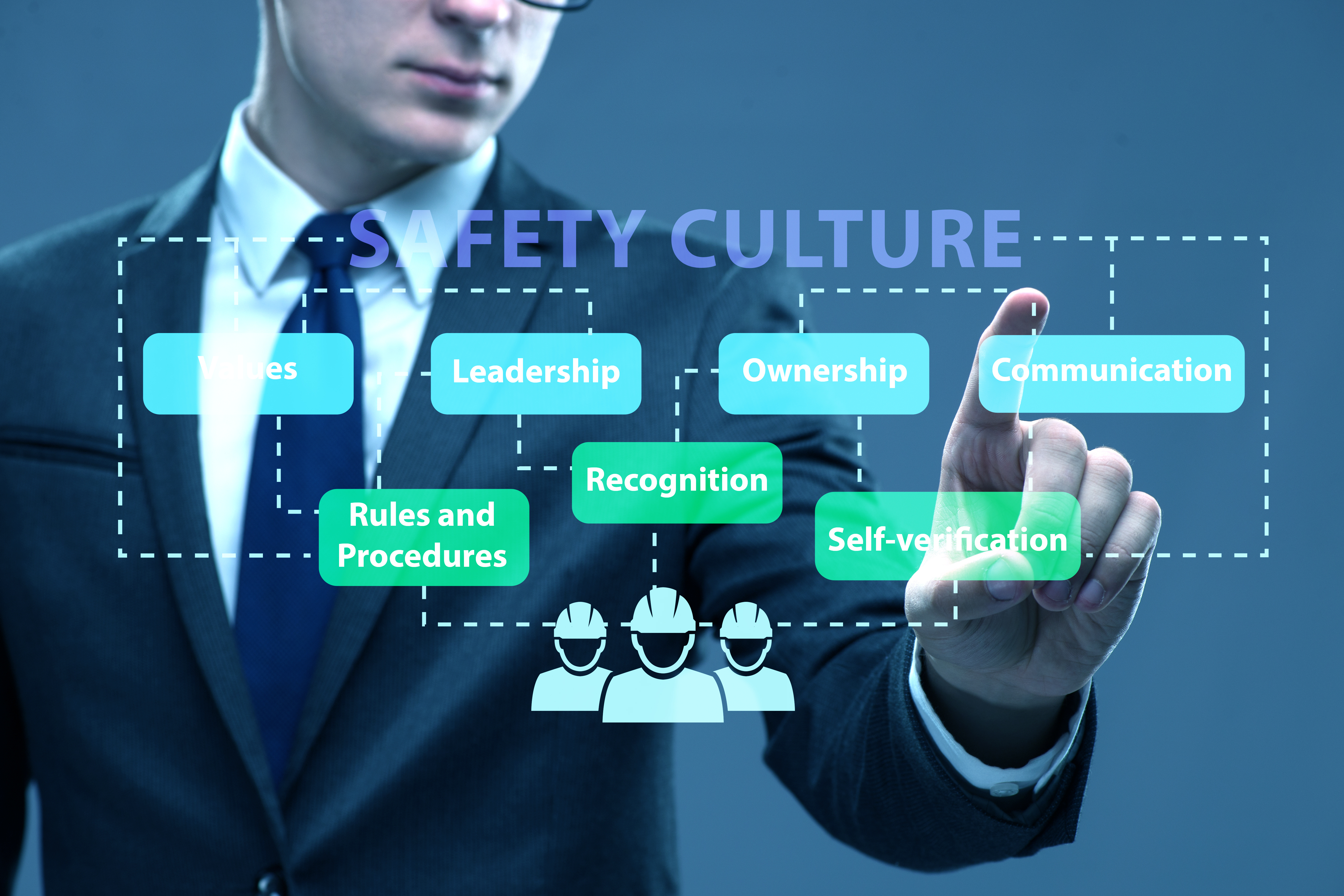
In the bustling world of construction, where towering skyscrapers and intricate infrastructure emerge, safety stands as an unwavering priority. The foundation of any successful construction endeavor is not just built with concrete and steel, but also with a steadfast commitment to a culture of safety.
In this blog post, we will delve into the strategies and approaches that construction companies can adopt to cultivate an environment where safety thrives. We will emphasize the paramount importance of vigilance and responsibility in building a secure construction workplace.
Prioritizing Safety: The Cornerstone of Success
Before embarking on the journey of constructing remarkable edifices, construction companies must firmly lay the cornerstone of safety. This entails instilling a mindset that regards safety not merely as a set of protocols, but as an integral part of every task. An active voice in communication further solidifies this principle. For instance, instead of saying “Safety measures should be followed,” opt for “Follow safety measures rigorously.”
Strategies for Cultivating a Culture of Safety
- Lead by Example: Safety consciousness starts at the top. When leaders consistently prioritize safety in their decisions and actions, it trickles down to the entire workforce. CEOs and project managers who actively wear safety gear on-site send a powerful message of commitment to the cause.
- Comprehensive Training Programs: Equip your workforce with the knowledge and skills they need to operate safely. Regular workshops on equipment handling, emergency response, and hazard identification empower employees to make informed choices.
- Clear Communication Channels: Transparent communication is key to safety. Establish easily accessible channels for reporting safety concerns and incidents. Regular safety briefings and updates keep everyone in the loop.
- Incentivize Safety: Consider implementing a reward system that recognizes individuals or teams for exemplary adherence to safety protocols. This not only boosts morale but also reinforces the importance of safety.
- Foster Accountability: Encourage employees to take ownership of safety. When workers feel personally responsible for their safety and that of their colleagues, a culture of collective vigilance naturally emerges.
- Continuous Improvement: Safety protocols are not set in stone. Encourage suggestions from the workforce on how safety can be enhanced. Regularly review and update safety measures to adapt to changing conditions and technologies.
Vigilance and Responsibility: The Twin Pillars of Safety
Imagine a construction site where every worker approaches their tasks with an unwavering sense of vigilance and responsibility. This vision doesn’t have to remain a distant dream; it can be a reality when these two pillars are engrained in the culture.
Vigilance: The Watchful Guardian
In a construction setting, vigilance means being acutely aware of one’s surroundings and potential hazards. It involves proactive hazard identification and mitigation. Workers who practice vigilance are the first line of defense against accidents waiting to happen.
Practical Tip: Encourage workers to conduct pre-task assessments. Before beginning any task, they should assess the environment for potential dangers and take necessary precautions. For example, a worker about to operate heavy machinery should check for any obstacles or unstable surfaces.
Responsibility: Every Individual Matters
Responsibility in the context of safety extends beyond following rules; it means taking ownership of one’s actions and their impact on the safety of oneself and others. When everyone sees themselves as accountable guardians of safety, a robust culture of safety takes root.
Practical Tip: Implement a “Stop Work Authority” policy. This means that any worker who identifies an unsafe situation has the authority and responsibility to halt work until the issue is resolved. This policy empowers every individual to actively safeguard the work environment.
Conclusion
In the dynamic realm of construction, a culture of safety isn’t an accessory; it’s an imperative. By implementing strategies such as leading by example, providing comprehensive training, and nurturing vigilance and responsibility, construction companies can construct a fortified haven of security. Remember, every tool wielded with safety in mind, every scaffold climbed with vigilance, and every responsibility assumed adds to the robust structure of a culture of safety that stands the test of time. Let’s not just build remarkable structures; let’s build a safer future, one brick of responsibility at a time.