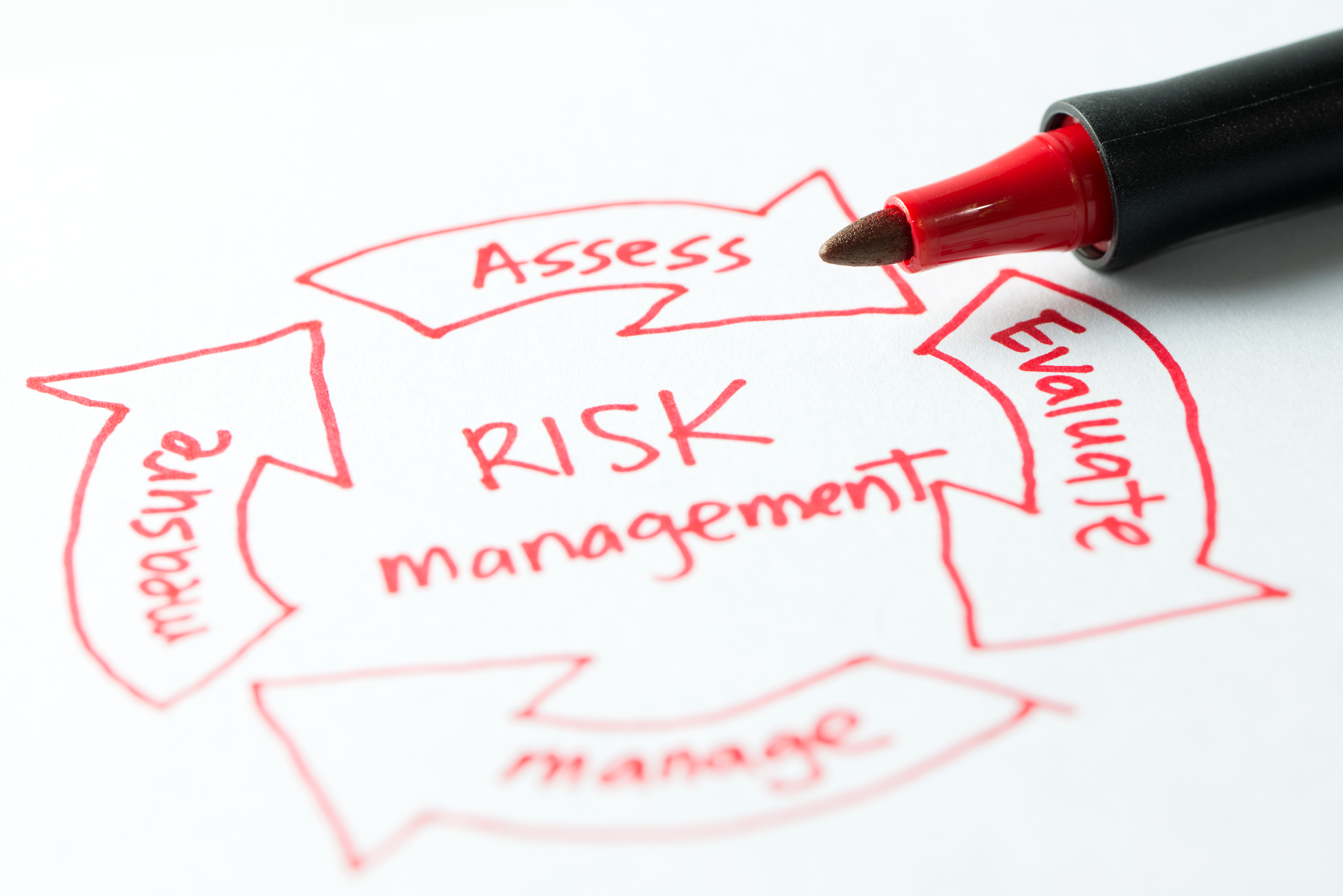
Construction sites are bustling hubs of activity, where complex projects come to life. From towering skyscrapers to intricate infrastructure, the world of construction is dynamic and transformative. However, with such complexity and dynamism comes a range of potential hazards that can threaten both the progress of the project and the safety of the workers involved. This is where the process of hazard identification and assessment steps in, acting as a shield against uncertainty and a foundation for effectively mitigating construction risk.
Understanding the Importance of Hazard Identification and Assessment
Imagine you’re constructing a new bridge. You have a skilled team of engineers, architects, and laborers, state-of-the-art equipment, and a well-thought-out plan. However, lurking beneath the surface are potential hazards that, if not identified and addressed, could lead to delays, accidents, and even catastrophic failures. This is why hazard identification and assessment are paramount.
Hazard identification involves systematically identifying anything that could cause harm on the construction site. These hazards can range from structural weaknesses and material instabilities to environmental factors like weather conditions. Once identified, these hazards are then assessed to determine their potential impact and likelihood. By understanding the potential risks associated with these hazards, construction teams can make informed decisions and implement strategies to mitigate these risks effectively.
Practical Methods for Identifying Potential Hazards
- Site Walkthroughs: Begin by physically walking through the construction site. Look for potential hazards such as uneven terrain, unmarked holes, or temporary structures that might collapse.
- Reviewing Plans and Designs: Carefully examine architectural and engineering plans. Look for design elements that could pose risks during construction or after completion. For instance, inadequate load-bearing capacity in a building’s foundation could lead to structural failures.
- Engaging with Experts: Collaborate with professionals who specialize in safety and risk management. Their experience can provide valuable insights into potential hazards that might be overlooked.
- Learning from Past Projects: Analyze incidents from past construction projects. These case studies can shed light on recurring hazards and help you proactively address them.
Assessing Risks and Developing Effective Mitigation Strategies
Once potential hazards are identified, the next step is to assess the associated risks. This involves evaluating the severity of potential consequences and the likelihood of those consequences occurring. By categorizing risks based on their impact and probability, construction teams can prioritize their efforts and allocate resources more efficiently. Here’s how to do it:
- Risk Matrix: Create a risk matrix that plots risks based on their severity and likelihood. This visual representation helps in quickly identifying high-priority risks that require immediate attention.
- Quantitative Analysis: Assign numerical values to potential consequences and probabilities. This method provides a more objective way to compare and prioritize risks.
- Expert Opinions: Seek input from experts to gauge the potential impact and likelihood of identified hazards. This collaborative approach can lead to a more comprehensive risk assessment.
With the risks assessed, it’s time to develop effective mitigation strategies. These strategies are tailored approaches to minimize or eliminate the identified risks. Some strategies include:
- Engineering Controls: Implement structural changes or design modifications that directly eliminate the hazard. For example, installing guardrails to prevent falls from heights.
- Administrative Measures: Establish protocols and guidelines for safe work practices. This could include the utilization of Taliho QR Codes to provide workers with instantaneous access to OSHA Safety Videos.
- Personal Protective Equipment (PPE): Provide workers with the necessary protective gear to minimize the impact of potential hazards. This could include helmets, gloves, and high-visibility clothing.
- Emergency Response Plans: Develop well-defined plans for responding to emergencies. This ensures that if a hazard does lead to an incident, the response is swift and effective.
Consider a scenario where a construction site is located in an area prone to earthquakes. The hazard is clear—the potential collapse of structures during a seismic event. By assessing the risk and collaborating with structural engineers, the construction team can implement reinforcements such as flexible joints and resilient materials. These engineering controls can significantly reduce the risk of structural failure during an earthquake.
Conclusion
In conclusion, the world of construction is an exciting realm of innovation and progress. However, it’s essential to acknowledge the risks that come with it. Hazard identification and assessment serve as the cornerstone of construction risk management, allowing project teams to foresee potential pitfalls and take proactive measures. By employing practical methods for identifying hazards, evaluating risks, and implementing effective mitigation strategies, construction professionals can create safer environments for their workers and ensure the successful completion of projects. Remember, a thorough understanding of hazards today leads to a brighter and more secure tomorrow in the world of construction.