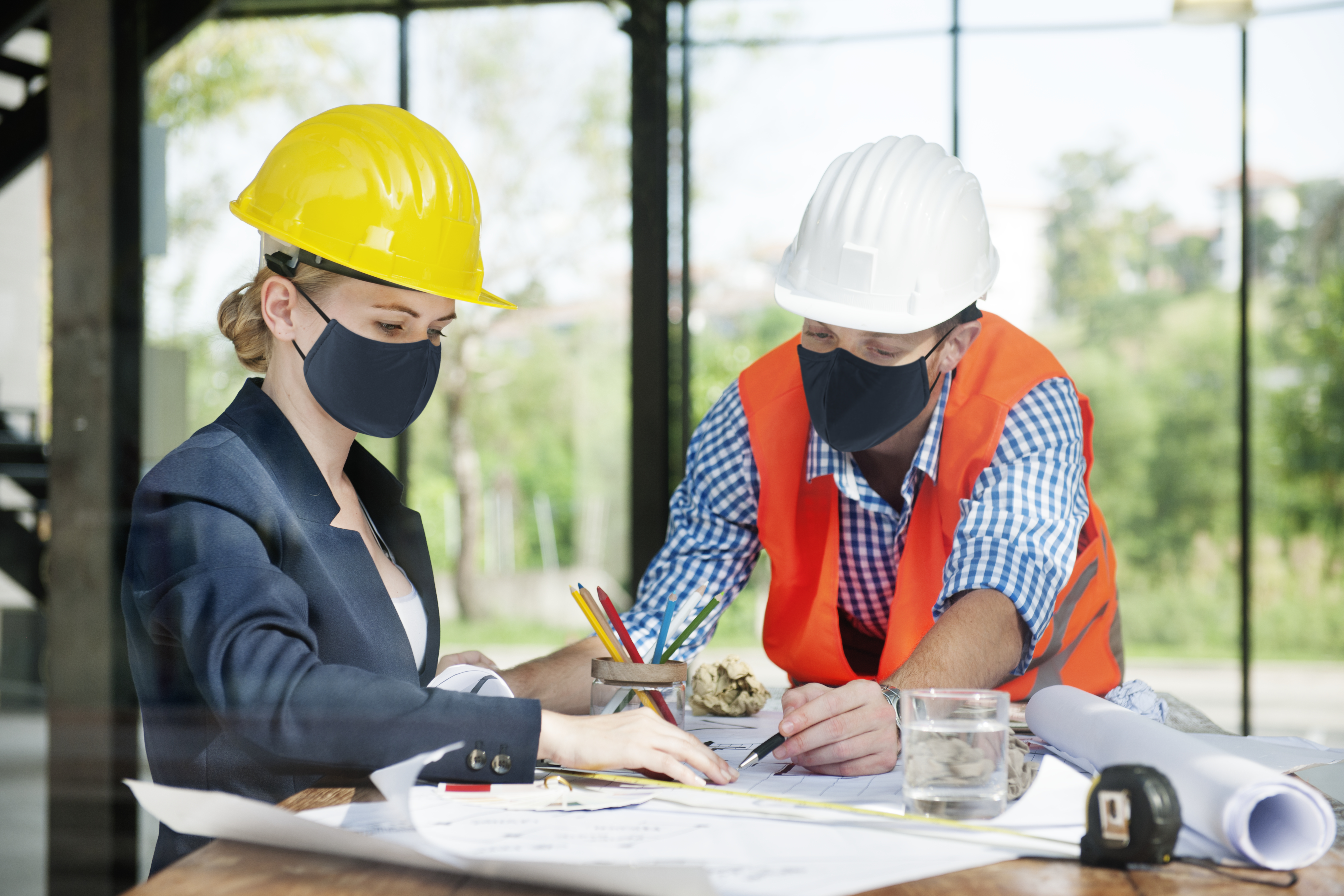
COVID-19 did not change construction's core mission, but it exposed how vulnerable many project workflows were to disruption. Schedules depended on fragile supply chains, communication depended on in-person coordination, and contingency planning often assumed delays would be local rather than global.
Looking back, the most useful question is not how the industry survived the pandemic. It is which changes were worth keeping.
The Shock to the System
In the early stages of the pandemic, projects were hit from multiple directions at once:
- shutdowns and access restrictions
- material shortages and delivery uncertainty
- workforce disruption from illness, quarantine, and distancing rules
- financing pressure and shifting client priorities
The problem was not only delay. It was that teams lost visibility into risks they had previously treated as manageable.
What Projects Learned Quickly
The firms that adapted best did a few things well:
- they improved communication frequency and clarity
- they made schedules more flexible
- they broadened supplier options where possible
- they used digital tools to keep decisions moving
None of those ideas was brand new. The pandemic simply removed the illusion that they were optional.
Changes That Still Matter
Several practices that accelerated during COVID still make sense today.
Better supply chain visibility
Teams learned to watch procurement risk more closely and to treat long-lead items as strategic decisions, not background tasks.
Stronger scenario planning
Project leaders became more willing to ask, "What happens if this assumption fails?" That mindset remains valuable far beyond a pandemic.
More disciplined digital coordination
Remote meetings, shared project dashboards, and faster document distribution became normal because they helped teams make decisions sooner.
Greater interest in off-site work
Prefab and modular approaches were not right for every project, but the push toward more predictable, controlled production was real.
What Should Not Be Forgotten
COVID also reinforced an old lesson: resilience is not created during the crisis. It is created before the crisis by the way teams plan, document, communicate, and allocate risk.
Projects are more durable when they have:
- realistic contingencies
- redundant suppliers or backup options
- clear document control
- fast paths for field communication
- leadership willing to adjust quickly
The Lasting Takeaway
The pandemic was an extreme event, but the lesson is broader than COVID itself. Construction performs better when teams assume disruption is possible and design their workflows accordingly.
That is the real reshaping effect. The industry did not just endure a crisis. It got a clearer view of what resilient project management actually requires.