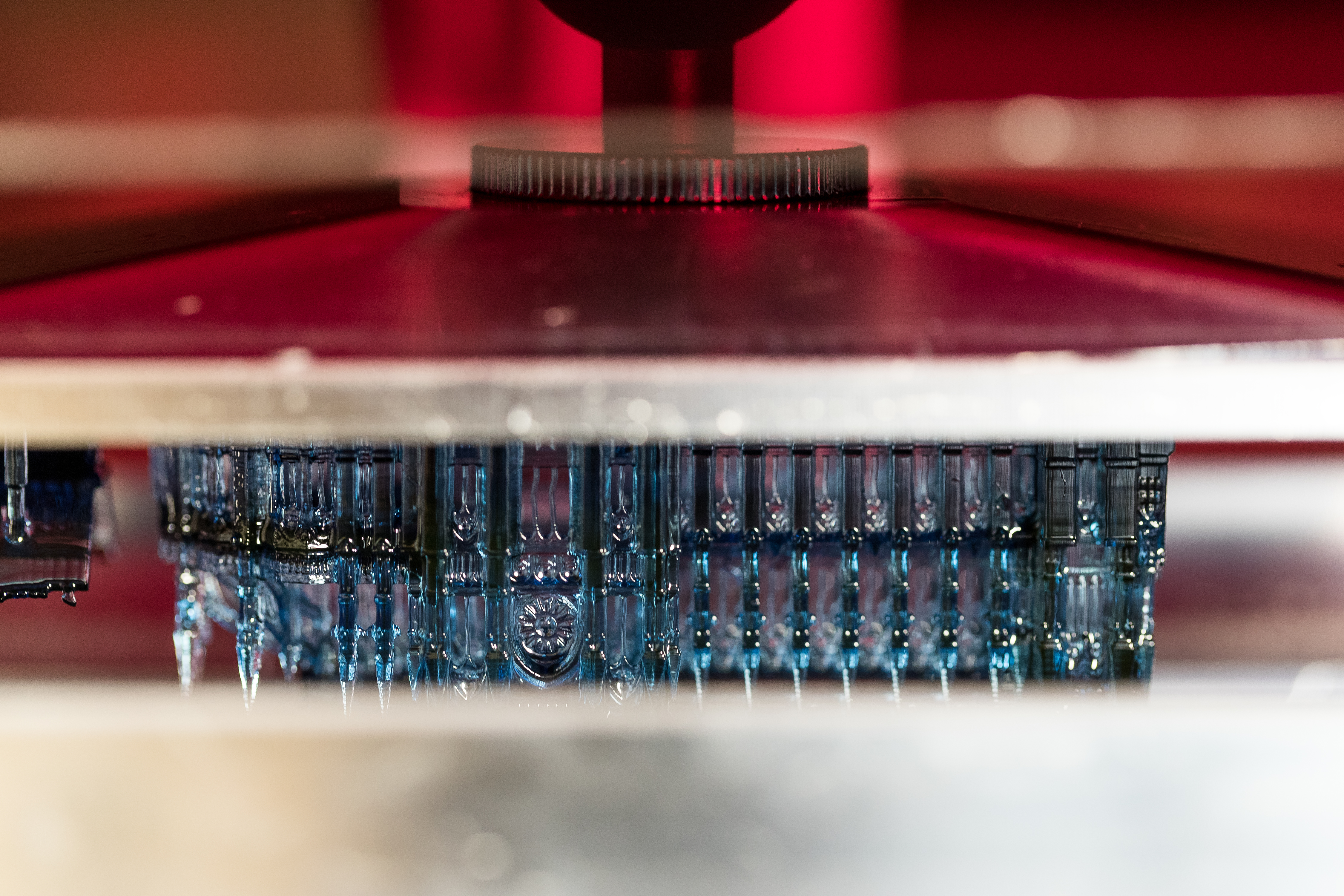
In recent years, the construction industry has witnessed a remarkable technological revolution that promises to reshape the way we build our world. 3D printing, once confined to creating intricate prototypes and small-scale objects, has emerged as a game-changing tool in the realm of construction. This revolutionary approach is not only capturing the imagination of architects and engineers but also holding the potential to address some of the longstanding challenges in the industry. In this blog post, we will explore the concept of 3D printing in construction, delve into its benefits and drawbacks, and examine some exciting use cases that showcase the technology’s boundless possibilities.
The Basics of 3D Printing in Construction
At its core, 3D printing in construction, also known as additive manufacturing, involves creating three-dimensional structures layer by layer, using various materials such as concrete, plastic, or even metal. This process contrasts sharply with traditional construction methods that often involve assembling prefabricated components or pouring concrete into molds. The 3D printing approach offers unparalleled flexibility, precision, and efficiency, making it a compelling alternative for building everything from small structures to entire houses.
Benefits of 3D Printing in Construction
- Speed and Efficiency: One of the most significant advantages of 3D printing in construction is its speed. By extruding material layer by layer, structures can be built faster than conventional methods. This could be a game-changer in disaster relief situations, where quickly erecting temporary shelters is crucial.
- Cost Savings: Traditional construction can be labor-intensive and time-consuming, leading to high costs. 3D printing can significantly reduce labor requirements and construction time, thereby lowering expenses associated with manual labor and project delays.
- Design Flexibility: 3D printing allows architects and engineers to experiment with intricate designs that might be challenging to realize using traditional methods. This opens up possibilities for creating more innovative and visually striking structures.
- Waste Reduction: Traditional construction often generates substantial amounts of waste due to cutting and shaping materials to fit. 3D printing produces minimal waste as materials are used precisely where needed.
- Sustainability: The technology holds the potential to utilize eco-friendly materials, reduce transportation costs, and decrease the overall carbon footprint of construction projects.
Downsides and Challenges
- Material Limitations: While concrete is the primary material used in construction 3D printing, finding suitable and affordable printing materials for different types of structures remains a challenge. Additionally, the quality and durability of printed structures need to be rigorously tested and validated.
- Regulations and Standards: The construction industry is heavily regulated to ensure safety and compliance. Introducing a new technology like 3D printing requires adapting these regulations to address the unique aspects of additive manufacturing.
- Initial Investment: The setup cost for 3D printing equipment and infrastructure can be substantial, deterring smaller construction companies from adopting the technology.
- Skilled Workforce: While 3D printing reduces the need for manual labor, it requires skilled operators who understand the technology and can troubleshoot issues that may arise during the printing process.
- Scale Limitations: While 3D printing can create various building components, its scalability to construct large skyscrapers or expansive infrastructure remains a challenge due to both technological limitations and regulatory hurdles.
Exciting Use Cases of 3D Printing in Construction
- Housing Solutions: In areas with housing shortages, 3D printing can rapidly produce cost-effective, sturdy homes. ICON, a construction technology company, successfully printed a 350-square-foot house in under 48 hours.
- Infrastructure Repair: 3D printing can be employed to repair damaged infrastructure like bridges and tunnels, reducing disruption to transportation networks.
- Customized Architecture: Architects can create intricate facades and unique designs that would be challenging to realize through traditional construction methods.
- Disaster Relief: When natural disasters strike, 3D printing can swiftly construct emergency shelters, providing displaced individuals with safe and temporary accommodations.
- Space Colonization: NASA has explored 3D printing for constructing habitats on other planets, utilizing local materials to create shelter for future space explorers.
Conclusion
3D printing in construction holds immense promise for revolutionizing the way we build our world. Its numerous benefits, including speed, efficiency, cost savings, and design flexibility, make it an attractive alternative to traditional construction methods. However, the technology also comes with its share of challenges, ranging from material limitations to regulatory adaptations. As research and development continue, 3D printing is poised to play an increasingly significant role in shaping the future of construction, offering innovative solutions to age-old problems and paving the way for a more sustainable and imaginative built environment.