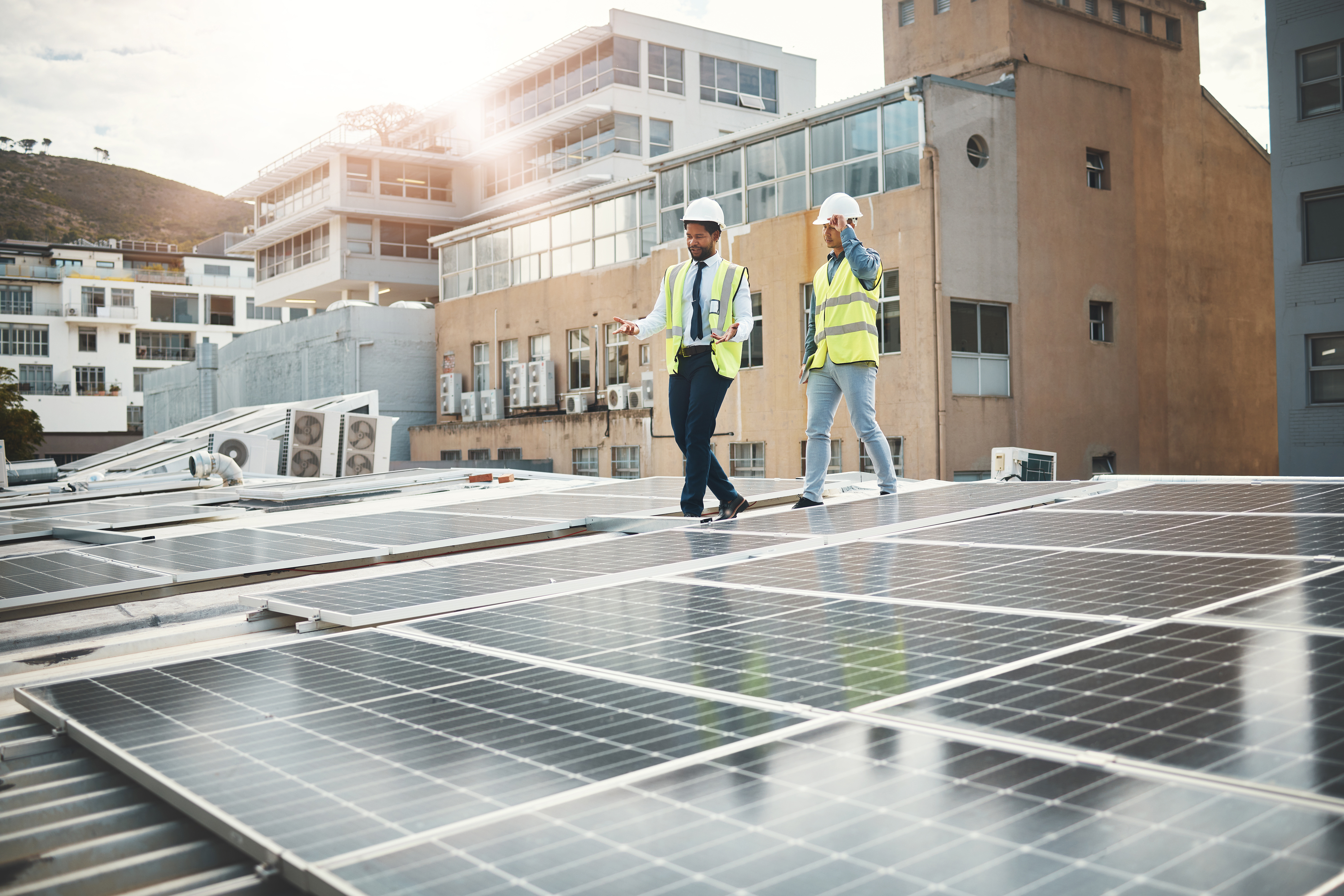
In an era where climate change is at the forefront of global concerns, the construction industry is undergoing a revolutionary transformation. As society seeks sustainable solutions to reduce its carbon footprint, the integration of renewable energy technologies in construction has emerged as a beacon of hope. From solar panels adorning rooftops to wind turbines gracefully spinning in the distance, the marriage of construction and renewable energy is changing the way we build and power our world.
The Marriage of Construction and Renewable Energy
Imagine a world where buildings not only provide shelter but also generate energy. This vision is becoming a reality as renewable energy technologies, such as solar, wind, geothermal, and even kinetic energy, are being seamlessly integrated into construction practices. These technologies offer a myriad of benefits that extend beyond reducing environmental impact.
Benefits of Renewable Energy Integrations
- Reduced Carbon Emissions: One of the most significant advantages of incorporating renewable energy into construction is the reduction in carbon emissions. Traditional construction methods and energy sources contribute significantly to greenhouse gas emissions. By utilizing clean, renewable energy sources, buildings can significantly lower their carbon footprint and help combat climate change.
- Energy Independence: The integration of renewable energy systems empowers buildings to generate their own energy, reducing dependency on non-renewable energy sources and the grid. This energy independence not only ensures a more reliable power supply but also protects against energy price fluctuations.
- Cost Savings: While the initial investment in renewable energy systems might seem daunting, the long-term savings can be substantial. Solar panels, wind turbines, and other technologies have increasingly become more cost-effective over time. Buildings with integrated renewable systems can benefit from reduced energy bills and, in some cases, even generate excess energy to sell back to the grid.
- Enhanced Resilience: Renewable energy systems can enhance a building’s resilience during power outages or disasters. Buildings equipped with energy storage solutions, such as batteries, can continue to operate critical systems, ensuring safety and functionality in challenging situations.
- Positive Public Image: Embracing renewable energy technologies sends a powerful message to customers, stakeholders, and the community. Companies and individuals that prioritize sustainability gain a positive public image, fostering goodwill and potentially attracting environmentally conscious clients.
Downsides and Challenges
While the integration of renewable energy technologies in construction holds immense promise, it’s essential to address some of the challenges and downsides associated with these systems.
- Initial Costs: The upfront costs of purchasing and installing renewable energy systems can be a significant barrier for many construction projects. However, it’s important to note that the long-term savings and benefits often outweigh the initial investment.
- Intermittency: Renewable energy sources, such as solar and wind, are intermittent by nature, meaning they depend on weather conditions. This intermittency can be mitigated through energy storage solutions like batteries, but it’s still a challenge that requires careful planning.
- Aesthetic Concerns: Some renewable energy installations, such as solar panels and wind turbines, might raise aesthetic concerns for certain communities or property owners. Balancing functionality with visual appeal is a consideration in the integration process.
- Space Requirements: Solar panels, wind turbines, and other renewable energy systems may require additional space, which could be a limitation for densely populated urban areas or small properties.
Use Cases for Renewable Energy Integrations
- Residential Homes: Integrating solar panels on residential rooftops can help homeowners generate their own electricity, reduce energy bills, and contribute to a cleaner environment.
- Commercial Buildings: Businesses can harness renewable energy to power their operations, showcase their commitment to sustainability, and potentially qualify for government incentives.
- Smart Cities: Urban planners can design smart cities with renewable energy integrated into infrastructure, such as solar-powered streetlights, EV charging stations, and energy-efficient buildings.
- Educational Institutions: Schools and universities can set an example by incorporating renewable energy systems, educating students about sustainable practices, and cutting energy costs.
- Industrial Facilities: Industries can utilize renewable energy to power machinery, reduce operational costs, and meet sustainability goals.
Conclusion
The integration of renewable energy technologies into construction represents a pivotal shift towards a greener, more sustainable future. While challenges exist, the benefits far outweigh the downsides. Reduced carbon emissions, energy independence, cost savings, enhanced resilience, and a positive public image are just a few of the advantages awaiting those who embrace this transformative trend.
As architects, builders, and innovators continue to push the boundaries of what’s possible, the harmonious marriage of construction and renewable energy will undoubtedly pave the way for a brighter, cleaner, and more sustainable world for generations to come.