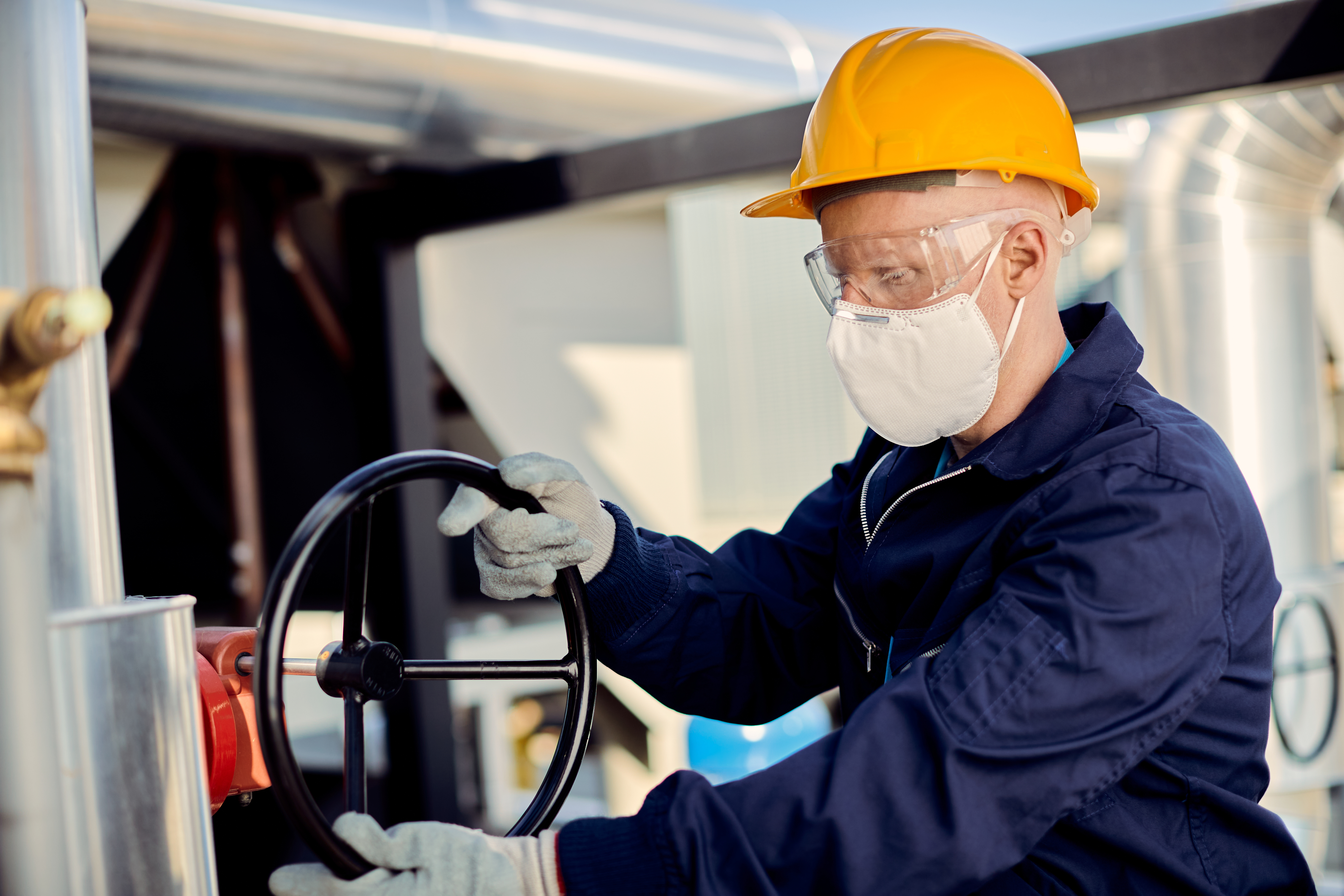
The pandemic did not create the construction industry's sustainability conversation, but it did reshape it. Health, resilience, and environmental performance stopped feeling like separate agendas and started looking more connected.
That shift is still influencing how owners, designers, and builders think about the built environment.
Health and Sustainability Moved Closer Together
COVID pushed teams to pay more attention to indoor air quality, ventilation, occupant well-being, and flexible building use. Those priorities overlap with sustainability more than they conflict with it.
A healthier building is often also a better-performing building when teams think carefully about:
- ventilation and energy use
- daylight and occupant comfort
- material selection
- long-term adaptability
Resilience Became Part of the Sustainability Discussion
The pandemic reminded the industry that durable buildings need to handle disruption, not just operate efficiently under normal conditions.
That broadened the conversation to include:
- adaptable space planning
- stronger maintenance visibility
- better building documentation
- systems that are easier to operate and adjust over time
Sustainability became less about isolated features and more about long-term building performance.
Technology Helped Connect the Dots
Digital models, connected documentation, and clearer asset information became more valuable as teams tried to manage buildings with less friction and more visibility.
That matters after turnover as well. Owners can only operate efficiently if they can find and use the information tied to the building systems they inherit.
What Still Matters Going Forward
The most useful post-COVID sustainability lessons are practical:
- design for healthy occupancy, not just code minimums
- choose materials and systems with lifecycle performance in mind
- make operations and maintenance information easier to reach
- plan spaces that can adapt without major wasteful renovation
The Takeaway
The post-COVID built environment is not defined by one design trend. It is defined by a broader expectation that buildings should be healthier, more resilient, and easier to operate responsibly over time.
That is a worthwhile shift, and one the industry should keep building on.