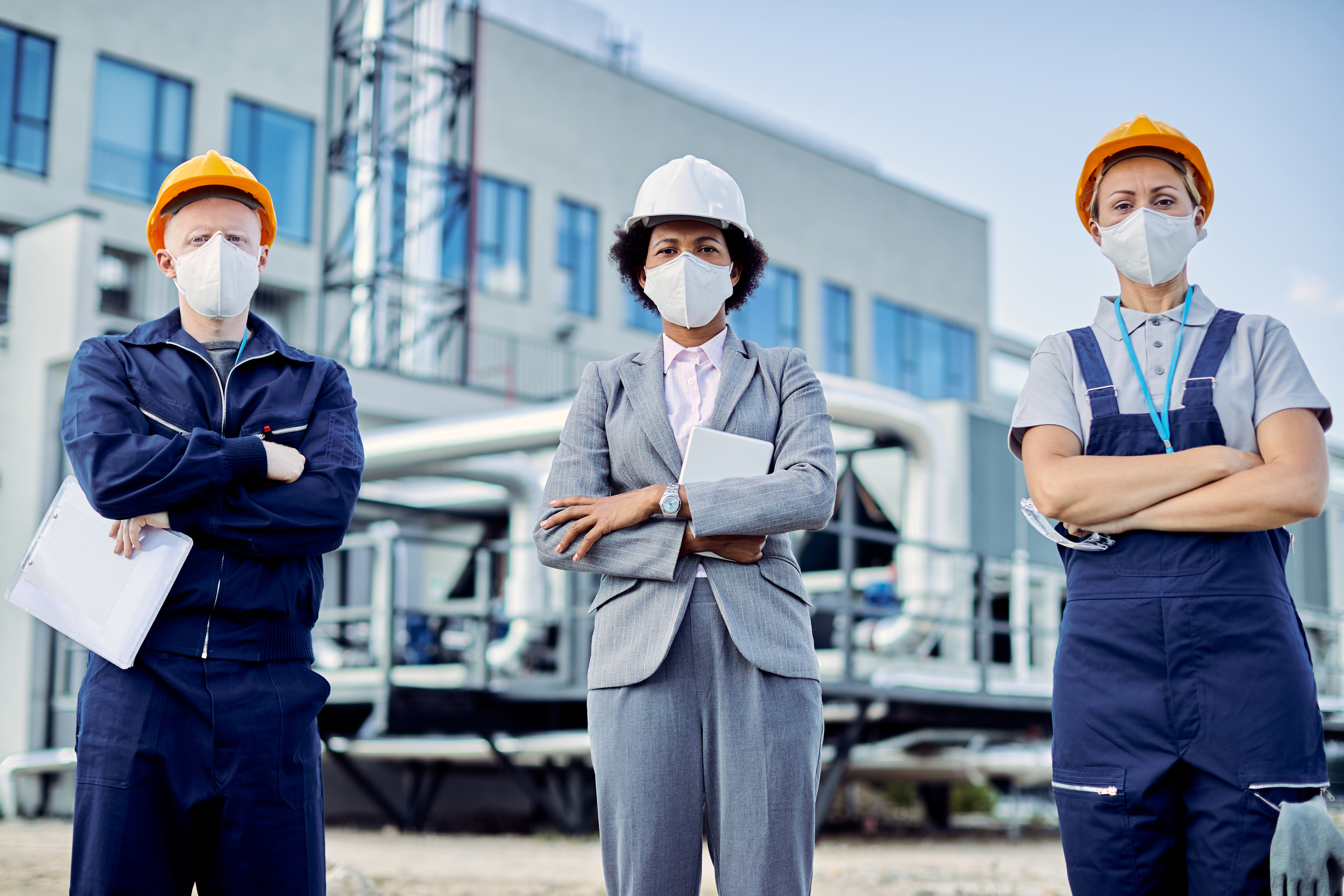
Some projects did more than survive the COVID era. They adapted quickly enough to protect progress, maintain coordination, and carry useful lessons forward into normal operations.
The common thread was not luck. It was the ability to make practical adjustments early.
Pattern 1: Digital Coordination Replaced Delay
Teams that already had workable digital systems, or adopted them quickly, were better able to keep design review, owner communication, and status reporting moving while in-person interaction was limited.
The lesson was not that every meeting should be virtual. It was that projects perform better when routine coordination does not depend entirely on everyone being in the same room.
Pattern 2: Smarter Sequencing Reduced Congestion
Successful projects paid closer attention to crew density, work-zone overlap, and handoff timing.
That improved safety during the pandemic, but it also improved execution by reducing the chaos that comes from too many people competing for the same space.
Pattern 3: Procurement Became a Leadership Issue
The strongest teams elevated procurement risk earlier. They treated long-lead materials, supplier reliability, and substitution options as strategic topics instead of downstream admin work.
That mindset helped projects avoid surprise delays and made schedule conversations more realistic.
Pattern 4: Communication Became More Deliberate
When uncertainty increased, vague communication failed quickly. Projects that adapted well tended to rely on shorter update loops, clearer ownership, and better documentation of decisions.
That reduced confusion even when conditions changed fast.
What These Projects Had in Common
The most resilient teams were usually strong in the same areas:
- they could see current project information quickly
- they updated plans without waiting too long
- they kept coordination disciplined
- they were willing to revise old habits when those habits stopped working
The Takeaway
The real success story from the COVID era is not any single tool or tactic. It is the reminder that adaptable projects are built by adaptable teams.
Construction projects thrive under pressure when communication is clear, coordination is disciplined, and leadership is willing to adjust before delay becomes damage.