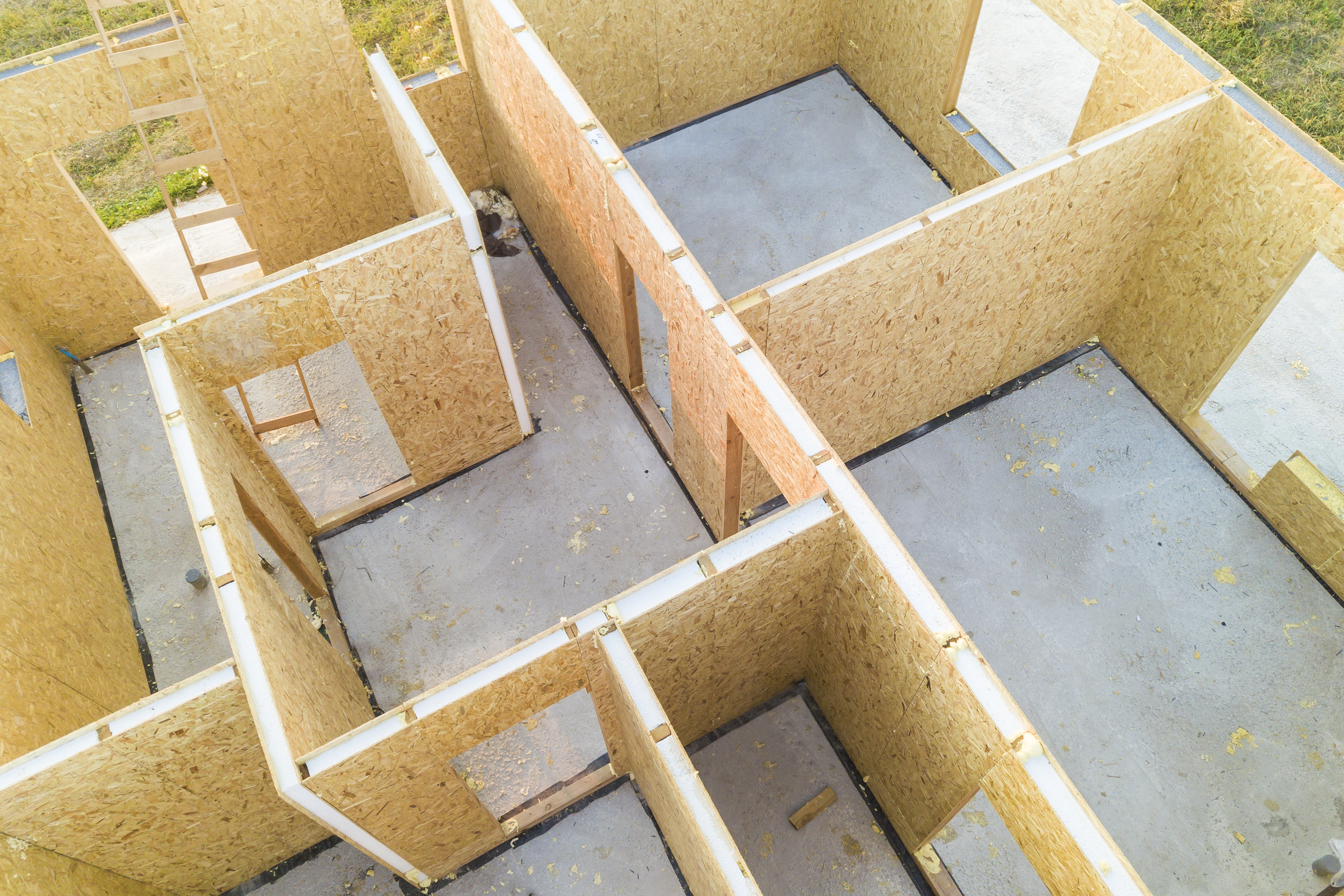
In the ever-evolving world of construction, innovation continues to reshape the landscape of how we build our homes, offices, and infrastructure. Among the most impactful advancements is the rise of modular and prefabricated construction technology. This cutting-edge approach has not only transformed the traditional construction process but also offers a plethora of benefits and a few challenges to consider.
In this article, we’ll delve into the world of modular and prefabricated construction, exploring its advantages, drawbacks, and real-world applications.
Understanding Modular and Prefabricated Construction
Modular and prefabricated construction involves the fabrication of building components in a controlled factory environment, followed by their assembly on-site. This method stands in stark contrast to the conventional on-site construction approach where materials are brought in individually and assembled from scratch. With modular and prefabricated construction, components are pre-designed, manufactured, and tested off-site, ensuring consistency, quality control, and reduced construction time.
Benefits of Modular and Prefabricated Construction:
- Speed and Efficiency: One of the most compelling advantages of modular and prefabricated construction is the remarkable reduction in project timelines. Since a significant portion of the construction process occurs simultaneously – both on-site assembly and off-site component fabrication – projects can be completed in a fraction of the time compared to traditional methods. This accelerated pace benefits both builders and clients, allowing for quicker occupancy and ROI.
- Enhanced Quality Control: By manufacturing building components in a controlled factory setting, modular and prefabricated construction eliminates the variability often associated with on-site construction. Quality control measures can be meticulously enforced during the manufacturing process, resulting in a higher standard of craftsmanship and a decrease in costly rework.
- Cost Savings: While the initial costs of setting up a factory for prefabrication can be substantial, the long-term savings are significant. Reduced labor costs, minimized wastage of materials, and shorter construction timelines contribute to overall cost savings. Additionally, the predictability of budgeting is enhanced due to reduced uncertainties in construction.
- Sustainability and Reduced Waste: Modular and prefabricated construction significantly reduces construction waste as materials are precisely measured and cut in a factory environment. Moreover, the streamlined production process allows for more efficient use of resources, making it a more sustainable option compared to traditional construction methods.
- Design Flexibility: Contrary to the misconception that prefabrication limits design creativity, modular construction offers a wide range of design possibilities. Components can be customized and integrated to create unique and aesthetically pleasing structures.
Challenges and Considerations:
- Upfront Investment: Setting up a factory for prefabrication requires a significant initial investment in terms of technology, equipment, and skilled labor. This upfront cost can be a deterrent for smaller construction firms.
- Transportation Logistics: While prefabricated components are designed to be transportable, the logistics of moving these modules from the factory to the construction site must be carefully planned. Oversized modules may require special permits, and transportation costs can add up.
- Site Constraints: The success of modular construction depends on proper site preparation and access. Limited space or challenging site conditions can hinder the efficient assembly of prefabricated components.
- Design Limitations: Though modern modular construction offers diverse design options, certain architectural intricacies might be more challenging to achieve with pre-engineered components.
Real-World Use Cases:
- Residential Housing: Modular and prefabricated technology has revolutionized the housing industry by allowing for the quick and efficient construction of single-family homes, apartment complexes, and even affordable housing projects.
- Healthcare Facilities: The demand for rapid expansion of healthcare infrastructure can be met using modular construction. Prefabricated modules can be transformed into hospitals, clinics, and medical laboratories, ensuring prompt medical services to communities.
- Educational Institutions: Schools and universities can benefit from modular construction to meet the growing demand for educational facilities. Modular classrooms, administrative buildings, and dormitories can be assembled in a fraction of the time compared to traditional construction.
- Hospitality Industry: Hotels, resorts, and hospitality projects can capitalize on the efficiency of modular construction to accelerate their opening dates and start generating revenue sooner.
- Emergency Housing and Disaster Relief: Prefabricated shelters and housing units are invaluable in times of natural disasters or humanitarian crises. Quick deployment of these modules ensures that displaced populations have access to safe and temporary accommodations.
Conclusion
Modular and prefabricated construction technology stands as a game-changer in the construction industry. Its ability to accelerate project timelines, enhance quality, and offer sustainable solutions positions it as a viable alternative to traditional construction methods. However, challenges such as upfront investment and transportation logistics must be carefully navigated. The diverse range of real-world applications showcases the versatility and potential of this innovative approach, making it clear that modular and prefabricated construction is more than just a trend—it’s a transformative force shaping the future of how we build.