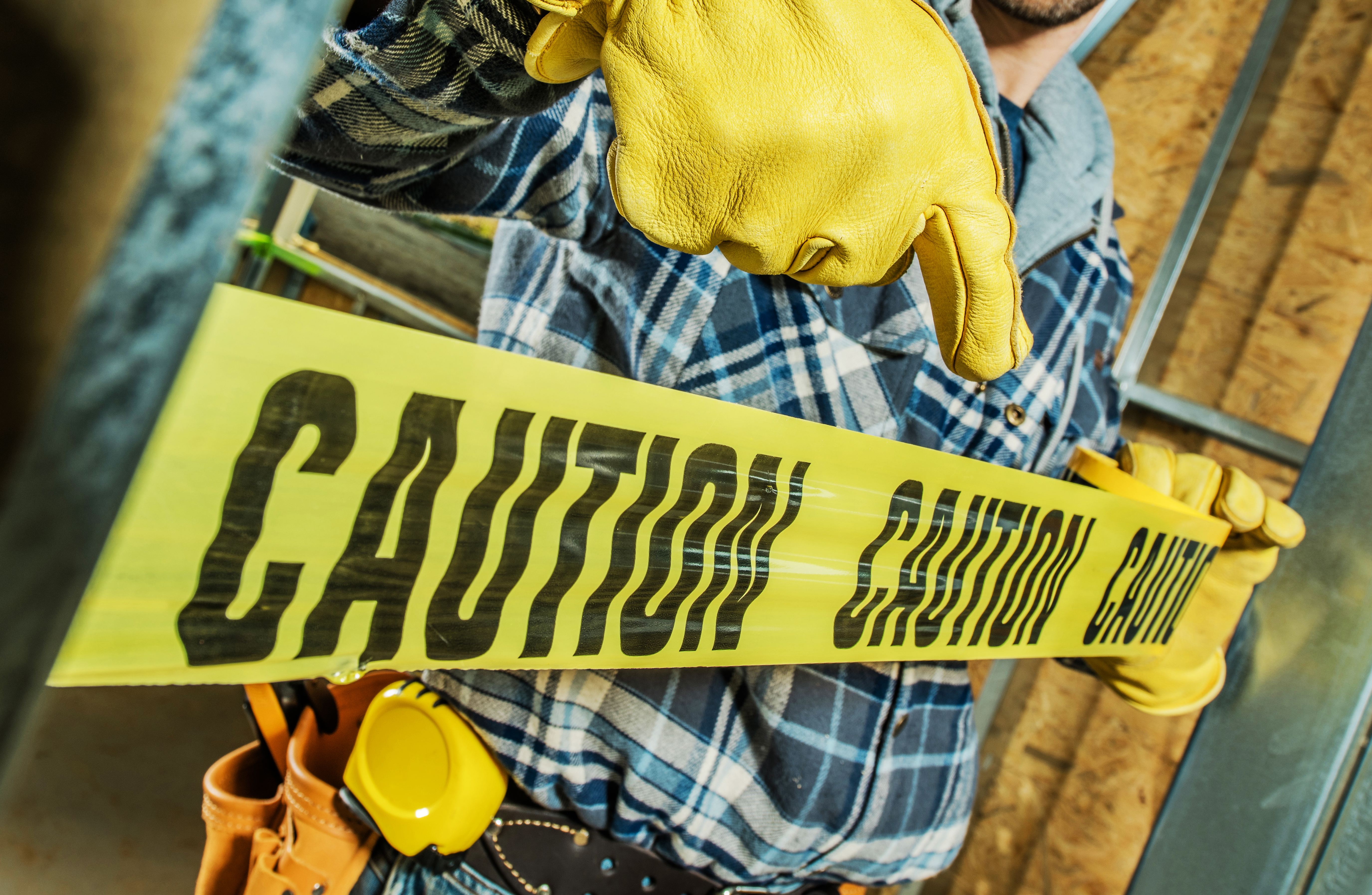
Construction sites are bustling hubs of activity, where skilled workers come together to bring architectural visions to life. From towering skyscrapers to intricate bridges, the construction industry shapes the world around us. However, amidst the hustle and bustle, there are numerous health hazards that construction workers face daily.
In this article, we’ll delve into the top 10 health hazards in construction and provide valuable insights into how to prevent and mitigate these risks for a safer and healthier work environment.
1. Falls from Heights
Working at heights is an integral part of construction, but it also poses a significant risk. Falls are the leading cause of construction-related injuries and fatalities. To prevent such accidents, ensure proper scaffolding, guardrails, and fall protection systems are in place. Regular training on how to use safety harnesses and other equipment correctly is essential. Remember, a few minutes spent double-checking safety measures can save lives.
2. Struck-by Accidents
Construction sites are teeming with heavy machinery, tools, and equipment. Struck-by accidents occur when workers are hit by moving vehicles or falling objects. Always wear high-visibility clothing and hard hats, and establish clear communication protocols with equipment operators. Barricade hazardous areas and designate safe zones to prevent workers from entering danger zones.
3. Electrocution
Electrical hazards are omnipresent on construction sites. Live wires, faulty equipment, and inadequate grounding can lead to severe electrical shocks or even fatalities. Ensure that all workers are trained in electrical safety and can identify potential hazards. Keep a safe distance from power lines, and use appropriate personal protective equipment (PPE) when working near electrical sources.
4. Trenching and Excavation Collapses
Trench collapses are a silent but deadly threat. When working in trenches or excavations, shoring, sloping, or trench boxes must be used to prevent cave-ins. Regular inspections of trenching equipment and proper training for workers are crucial to ensure their safety underground.
5. Respiratory Hazards
Construction sites often generate dust, fumes, and hazardous airborne particles. Prolonged exposure to these substances can lead to respiratory diseases like silicosis or lung cancer. Use respiratory protection, such as masks and respirators, especially when working with materials like concrete, asbestos, or lead-based paint. Adequate ventilation and the use of dust control measures like water sprays can also minimize exposure.
6. Noise-Induced Hearing Loss
The constant cacophony of construction sites can lead to noise-induced hearing loss over time. Protect your ears by wearing proper hearing protection, such as earmuffs or earplugs. Limit your exposure to high-noise areas, and encourage breaks in quieter spaces to give your ears a chance to recover.
7. Musculoskeletal Injuries
The physically demanding nature of construction work can result in musculoskeletal injuries. Lift heavy objects using proper techniques, and utilize mechanical aids whenever possible. Regular stretching and exercises can help keep muscles and joints healthy, reducing the risk of strains and injuries.
8. Heat-Related Illnesses
Construction often takes place outdoors, exposing workers to extreme temperatures. Heat stress, heat exhaustion, and even heat stroke are potential risks. Stay hydrated by drinking water frequently, take regular breaks in shaded areas, and wear lightweight, breathable clothing. Training on recognizing the signs of heat-related illnesses is essential for both workers and supervisors.
9. Chemical Exposure
Construction sites can harbor a variety of hazardous chemicals, from paints and solvents to cleaning agents. Proper labeling, storage, and handling of chemicals are critical. Use appropriate PPE when working with or near hazardous substances. Regular training and awareness programs can help workers understand the risks associated with different chemicals and how to protect themselves.
10. Confined Spaces
Working in confined spaces like tunnels, tanks, or crawl spaces can be dangerous due to limited oxygen, toxic gases, or the potential for entrapment. Adequate training, continuous air monitoring, and having an emergency rescue plan in place are crucial for safe entry and exit from confined spaces.
Conclusion
The construction industry is dynamic and essential, but it comes with inherent health hazards. However, by prioritizing safety measures, providing thorough training, and promoting a culture of vigilance, these risks can be minimized. Remember, the well-being of construction workers is a shared responsibility, from project managers to site supervisors and individual workers themselves. By taking proactive steps to prevent and mitigate these top 10 health hazards, we can create a safer and healthier construction environment for everyone involved.
So, the next time you see a skyscraper piercing the sky or a bridge spanning a river, take a moment to appreciate the dedication and hard work that construction workers put in while facing these challenges head-on. And as we marvel at the structures they create, let’s also commit to ensuring their safety and well-being every step of the way.