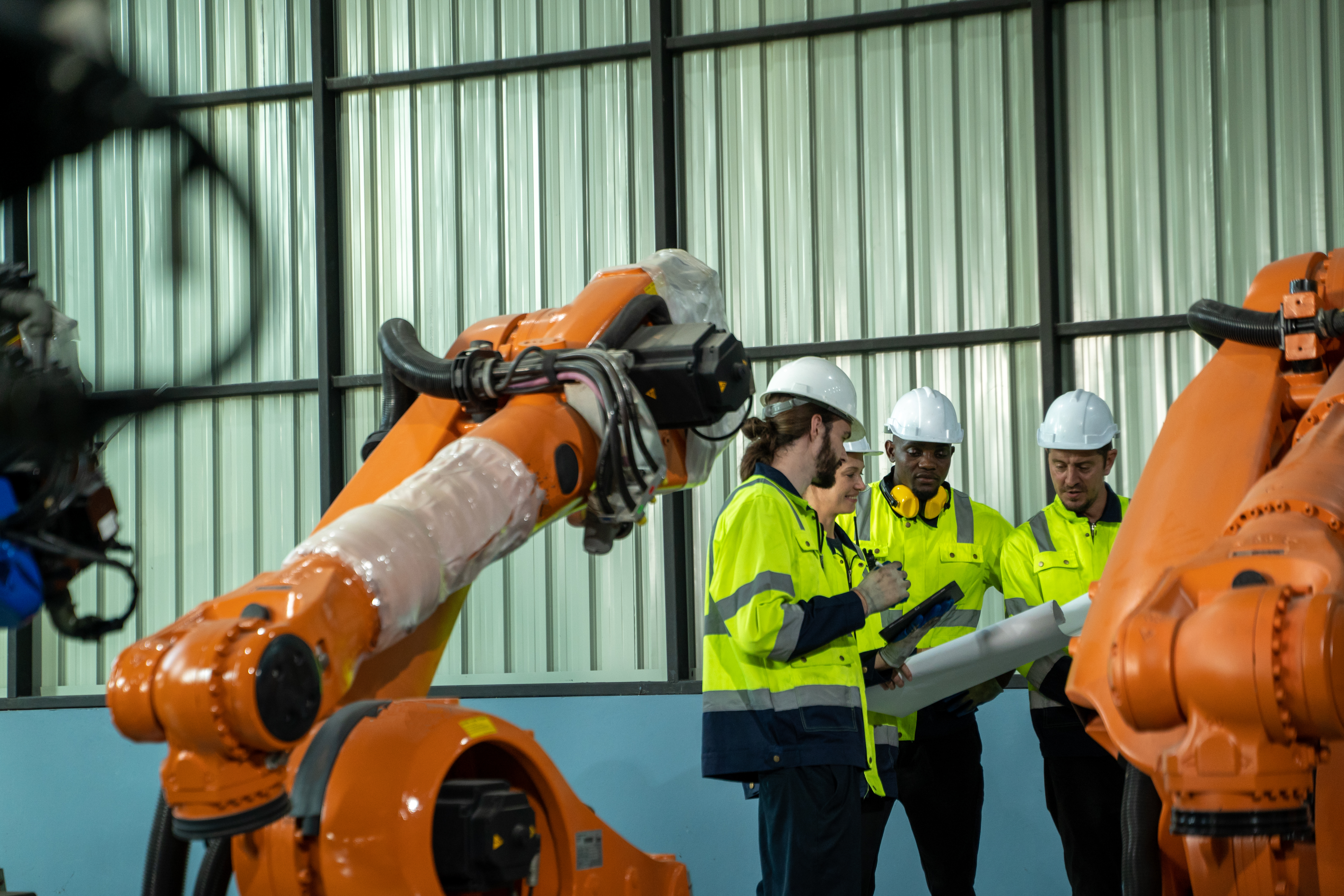
In a world where technological advancements are reshaping every industry, construction is no exception. The construction sector, historically known for its manual labor and traditional methods, is experiencing a profound transformation through the integration of advanced robotics. From towering skyscrapers to intricate bridges, these mechanical marvels are revolutionizing how we design, build, and experience our built environment. In this blog post, we’ll delve into the realm of advanced robotics in construction, exploring its benefits, downsides, and diverse use cases that showcase its potential to reshape the industry.
The Rise of Advanced Robotics in Construction: A Glimpse into the Future
Imagine a construction site bustling with a symphony of mechanical arms, autonomous vehicles, and drones choreographing a dance of efficiency and precision. This is the future of construction, where advanced robotics play a pivotal role. These cutting-edge technologies encompass a wide range of innovations, from automated bricklaying and 3D printing to autonomous excavation and smart construction management systems.
Benefits of Advanced Robotics in Construction: Building a Stronger Future
- Enhanced Efficiency and Speed: One of the most significant advantages of advanced robotics in construction is their ability to complete tasks faster and with unmatched precision. Automated machines work tirelessly 24/7, eliminating delays caused by human limitations, weather conditions, and fatigue.
- Improved Safety: Construction sites are inherently hazardous environments. By deploying robots for tasks that involve heavy lifting, working at heights, and other risky operations, the industry can significantly reduce the number of accidents and ensure the well-being of workers.
- Cost Savings: While the initial investment in advanced robotics may be substantial, the long-term cost savings can be remarkable. Robots don’t require salaries, benefits, or rest breaks, leading to lower labor costs. Moreover, their accuracy reduces material waste and rework expenses.
- Higher Precision and Quality: Robots are programmed to execute tasks with incredible accuracy, minimizing errors in measurements and calculations. This results in a higher quality of construction and reduced need for rework, enhancing the overall project outcomes.
- Unconstrained by Environment: Robots can operate in challenging conditions that might be unsafe or unfeasible for humans, such as underwater construction, extreme temperatures, or confined spaces.
- Data-Driven Insights: Some advanced robotics systems are equipped with sensors and data collection capabilities, allowing construction managers to gather real-time insights into project progress, material usage, and equipment performance. This data-driven approach enables better decision-making and project optimization.
Downsides and Challenges of Advanced Robotics in Construction
- High Initial Costs: The implementation of advanced robotics requires a significant upfront investment, including the cost of purchasing, programming, and maintaining these machines. This can be a deterrent for smaller construction companies with limited resources.
- Skills Gap: While robots are taking over certain tasks, they can’t completely replace the need for skilled human labor. As a result, there is a growing need for workers with expertise in robotics programming, maintenance, and operation.
- Lack of Flexibility: Advanced robotics systems are often designed for specific tasks, making them less adaptable to sudden changes or unexpected requirements on the construction site. This lack of flexibility can hinder their effectiveness in dynamic environments.
- Ethical and Social Considerations: The increasing use of robotics in construction raises questions about job displacement and the impact on employment in the industry. Balancing the benefits of automation with the potential loss of jobs requires thoughtful consideration.
- Dependency on Technology: Overreliance on robotics could lead to a situation where construction companies become overly dependent on technology, making them vulnerable to disruptions caused by technical failures, cyberattacks, or other unforeseen challenges.
Exploring the Possibilities: Use Cases for Advanced Robotics in Construction
- Automated Bricklaying: Robots equipped with precise algorithms and sensors can lay bricks with exceptional speed and accuracy, reducing labor costs and project timelines.
- 3D Printing of Structures: Construction-scale 3D printers can create intricate architectural designs using various materials, streamlining the building process and reducing waste.
- Autonomous Excavation: Robotic excavators can dig, grade, and move earth autonomously, making earthmoving operations safer and more efficient.
- Drones for Site Inspection: Drones equipped with cameras and sensors can perform site surveys, monitor progress, and identify potential issues, all while reducing the need for manual inspections.
- Robotic Welding and Fabrication: Robots can perform complex welding tasks with precision, resulting in stronger and more consistent welds.
- Smart Construction Management: AI-powered construction management systems can optimize project schedules, allocate resources, and predict potential delays, enhancing overall project efficiency.
- Exoskeletons for Workers: While not entirely robotic, exoskeletons can provide workers with enhanced strength and support, reducing the physical strain of repetitive tasks.
Conclusion
The integration of advanced robotics into the construction industry is not about replacing human expertise; it’s about enhancing our capabilities and shaping a more efficient, safer, and sustainable future. As we stand at the crossroads of innovation and tradition, the collaboration between skilled workers and robotic counterparts holds the promise of pushing the boundaries of what we can achieve in the realm of construction. However, it’s crucial to approach this transformation thoughtfully, addressing challenges, fostering new skills, and ensuring that the benefits of technology are shared by all stakeholders. By embracing the possibilities that advanced robotics offer, we’re not just building structures; we’re building a stronger, smarter, and more resilient future.